


When people who make products Sodium Cumene Sulfonate 40% vs Other Hydrotropes they usually want a material that makes things mix better keeps everything together and makes the final product stay the same. Hydrotropes are often used in soaps, cleaners, personal care items and industrial mixtures. Among the choices sodium cumene sulfonate (SCS), sodium xylene sulfonate (SXS) sodium toluene sulfonate (STS) and urea can each be used for needs. Sodium Cumene Sulfonate vs Sodium Xylene Sulfonate is very helpful because both help make ingredients mix better. However they are not the same. Their performance can change based on the formula how much is used, the surfactant system, temperature and the look of the product.
What Are Hydrotropes?
Hydrotropes are used to mix with water and help ingredients that do not normally mix well to stay together in water-based mixtures. They are often added when a product contains ingredient like surfactants, fragrances, oils or solvents. These materials can be difficult to blend with water on their own. Without hydrotropes the product might become cloudy. Form crystals over time especially when stored. This makes hydrotropes important, for keeping the mixture stable and clear. A hydrotrope can help make the product clear and stable. It can also make the mixing process easier because ingredients can be added to the water part smoothly. Hydrotropes are not the same as surfactants even if they can act a little like them. Their main job is often to help with mixing and making the formula work better not to clean. In cleaning products hydrotropes are often useful because modern formulas have different parts. For example a liquid cleaner might have surfactants, nonionic surfactants, scent, solvents, salts, builders, preservatives and water. These parts do not always mix well. A good hydrotrope can help keep everything in the place. This is one reason why the decision to use Sodium Cumene Sulfonate 40% or Other Hydrotropes should be based on the formula and not just the hydrotrope itself.
Common reasons for adding a hydrotrope include:
· Making it easier for to-dissolve ingredients to mix in water.
· Reducing cloudiness in products.
· Helping surfactants work with ingredients.
· Helping the product look the same during storage.
· Making it easier to mix formulas.
· Helping stop parts of the formula from separating.
· Making the product look. Feel the same.
· Helping handle concentrated cleaning mixtures.
The right amount is important. Little hydrotrope may not work well and too much can change the cost the thickness, the salt level or other features of the product. That is why formulators usually test amounts before choosing the right one.
Understanding Sodium Cumene Sulfonate 40%
Sodium cumene sulfonate is a type of sulfonate used mostly as a hydrotrope and to help things mix. A 40% grade usually means a solution that has 40% active sodium cumene sulfonate, with the rest being water and some small parts depending on the grade. The liquid form is easy to handle in manufacturing because it can be easily pumped, measured and added directly to a formula. It is often used when a formulator wants to make sure surfactants and other parts mix well in water-based products. One reason SCS is useful is that it works with cleaning formulas. It can help keep the liquid mix the same and help add surfactants and other parts. In some mixtures it can also help control the thickness and make the process easier. However how it works depends on the rest of the formula. A material that works in one cleaner might not work the same in a formula with surfactants, more salt or more solvents. So testing is still important before using SCS on a scale. When talking about Sodium Cumene Sulfonate 40% VS Other Hydrotropes, the 40% liquid version is useful because the active part is already in water. This makes it easy to use in factories that make liquid products. The formulator should still calculate how much active SCS is being used of just looking at the weight of the solution. For example using 5 kg of a 40% solution does not mean using 5 kg of SCS. It means 2 kg of active SCS depending on the exact details.
Important parts of SCS 40% might include:
· It is a liquid that dissolves in water.
· It is easy to add to mixtures.
· It works as a hydrotrope. Helps mix things.
· It works with cleaning formulas.
· It can help make things clearer and mix better.
· It is easy to handle compared to some materials.
· It works in home cleaning formulas.
Sodium Cumene Sulfonate vs Other Hydrotropes
The choice of hydrotrope depends on what the formula needs. SCS, SXS and STS are all sulfonate-based materials. Their aromatic groups are different. Urea is different in chemistry. Should be seen as a help in some formulas not as a direct substitute for SCS, SXS or STS in every case. This difference matters when choosing materials.
Sodium Cumene Sulfonate 40% VS Other Hydrotropes can be made by looking at how they help with mixing, how they work together their form, how they are used in formulas, cost and how they affect the final product. There is no one hydrotrope that's always right for every formula. A cheaper option may need a choice than a clear top-quality cleaner. Also a concentrated cleaner may need a different hydrotrope system than a diluted home cleaner.
Sodium Cumene Sulfonate VS SXS
Sodium Cumene Sulfonate vs Sodium Xylene Sulfonate is one of the common choices for people who make cleaners. Both are water- aromatic sulfonates and can be used to help other ingredients mix better. SXS is based on xylene sulfonate while SCS is based on cumene sulfonate. The difference in their structures can change how they work in a formula. In terms both can help with liquid systems but the best choice depends on the exact surfactants, solvents, salts, scents and active parts in the formula.
Sodium Cumene Sulfonate vs Sodium Xylene Sulfonate is the look of the product. Both can be used in liquid cleaners but clarity is not just from the hydrotrope. The amount of surfactant the quality of the water the scent, the salt level, the pH and the temperature can all change the look. A formula that is clear with SXS might need an amount of SCS while another formula may not show much difference between the two. Testing in the lab is more useful than choosing one material by its name.
Generally people who make formulas may compare SCS and SXS by looking at:
· The amount of material in the product.
· The need for mixing in the formula.
· The desired look of the product.
· How well the surfactants work together.
· The amount of salt and other salts in the formula.
· The thickness requirements.
· The cost per kilogram of material.
· The availability from suppliers.
· The way it is stored and handled.
· The performance when used in the formula.
Sodium Cumene Sulfonate VS Sodium Xylene Sulfonate is that both can be useful.. They should not be used as the same without testing. Replacing one with the other by weight might change the amount and the way the product works.
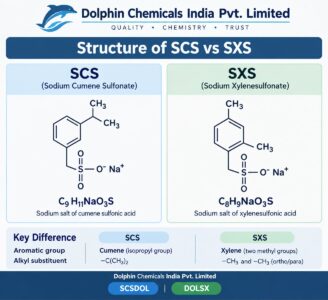
Structure of sodium cumene sulfoante vs sodium xylene sulfonate
Sodium Cumene Sulfonate compared to STS
Sodium toluene sulfonate, also known as STS is another sulfonate that can be used as a hydrotrope. Like SCS and SXS it can help with mixing ingredients in water. However the way it is made is different. These differences in structure can change how it works in a formula. The level needed for a product can also be different.
When looking at Sodium Cumene Sulfonate 40% VS Other Hydrotropes STS might be considered when a person wants an aromatic sulfonate hydrotrope for a liquid cleaner. The choice can depend on the cost of the material how easy it is to get the amount and past experience with formulas. The hydrotrope should be tested in the formula because the performance of one part can't always be predicted from its general type.
STS can be useful in products like:
· Cleaners.
· Household cleaners.
· Industrial cleaners.
· Cleaners for surfaces.
· Some water-based mixtures with solvents.
· Formulas where mixing is needed.
The real difference is not just about whether one material's a hydrotrope but how it works in the full formula. A person should compare the amount of active parts and then check for clarity, thickness, stability, smell, color and how it holds up when stored.
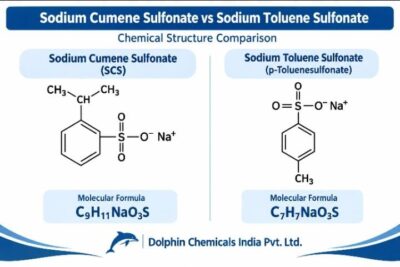
Structure of sodium cumene sulfonate vs sodium toluene sulfonate
Sodium Cumene Sulfonate compared to Urea
Urea is different from SCS, SXS and STS. It is not a hydrotrope made from sulfonate and should not be seen as a direct substitute for these materials. Urea can change how things mix and how water works. It is used in different industrial and consumer products. Its role can be helpful in some formulas. The way it works is different from sulfonate-based hydrotropes. Sodium Cumene Sulfonate 40% VS Other Hydrotropes should treat urea as a kind of helper. If a formula needs the way that aromatic sulfonate hydrotropes work replacing them with urea may change the product a lot. Urea can also affect things depending on how much is used and what else is in the formula. This is why changing to urea should always be tested in the lab.
For urea people who make products may need to think about:
· How much is needed.
· How it affects the product’s stability.
· How it works with surfactants.
· How it changes the thickness.
· How it looks in the end.
· How it works at temperatures.
· How it is stored.
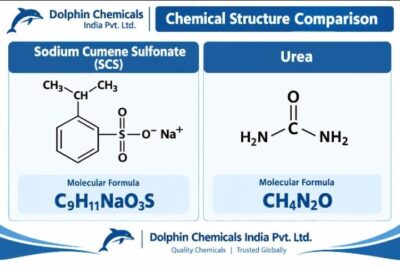
Structure of SCS vs Urea
SCS 40% compared to SXS compared to STS compared to Urea: Main Differences
The best way to compare these materials is to look at what they do in the product instead of just comparing their names. SCS, SXS and STS are sulfonate-based materials that help mix. Urea is a kind of chemical and may help with mixing in some formulas but is not the same, as the others. The comparison should include both how they work and how easy they are to use in factories. The Sodium Cumene Sulfonate VS Sodium Xylene Sulfonate choice should be based on actual formula performance. If two products are supplied at active concentrations comparing the same addition percentage can produce misleading results. The correct comparison is normally based on material and then verified through formulation testing. Cost should also be viewed on a basis. A lower price per kilogram does not always mean a cost in the final formula. If a lower-cost hydrotrope requires a dosage the final cost advantage may be smaller. Packaging, transport, storage and ease of dosing can also influence the cost.
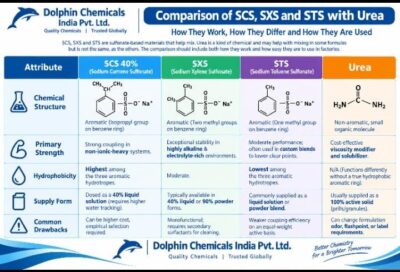
Details of sodium cumene sulfonate vs other hydrotropes
For a comparison check:
· Active content
· Recommended dosage
· Cost per kilogram
· Product clarity
· Viscosity
· Heat stability
· Compatibility with surfactants
· Compatibility with fragrance
· Salt tolerance
· Supplier
· Consistency
How Does Sodium Cumene Sulfonate 40% Perform in Different Formulations?
SCS 40% can be useful across water-based formulations but its performance depends strongly on the ingredients around it. In detergents it can support the solubility of surfactants and help maintain a uniform system. In household cleaners it may be used to help incorporate surfactants, solvents and other ingredients while supporting product clarity. In cleaners the formula may contain higher levels of active ingredients, salts or solvents so testing becomes even more important. In dishwashing liquids a hydrotrope can help manage the interaction between surfactants and other formula ingredients. The goal is usually a clear or visually consistent liquid. In liquids the hydrotrope may support the compatibility of the surfactant system and other ingredients. In hard-surface cleaners it can help maintain a water-based system that contains ingredients with water solubility. The required amount varies widely so a standard dosage should not be assumed for every product. For products the role of a hydrotrope can become more important because the ingredients are present at higher levels. A formula that looks stable after mixing may still develop haze or separation after weeks. Therefore stability testing should include temperatures and storage periods. If fragrance is used testing should also be performed with the fragrance because fragrance materials can have a strong effect on clarity.
Useful testing conditions can include:
· Room-temperature storage.
· Low-temperature storage.
· Elevated-temperature storage.
· Freeze-thaw testing where relevant.
· Visual clarity checks.
· Viscosity measurement.
· pH measurement.
· Separation checks.
· Color and odor checks.
The Sodium Cumene Sulfonate 40% VS Other Hydrotropes decision should be made after these tests rather than from a general assumption that one hydrotrope will always perform better.
The Sodium Cumene Sulfonate VS Sodium Xylene Sulfonate question can also be answered by running side-by-side trials. For example a laboratory can prepare the base formula with SCS and SXS at equal active levels. The samples can then be compared for clarity, viscosity, stability and processing behavior. This gives the formulator data for the specific product instead of relying only on general product information.
How to Choose the Right Hydrotrope for Your Formulation
Selecting a right hydrotrope based on you required formulation. If the product is cloudy the first step is to identify why it is cloudy. The cause could be surfactant compatibility, fragrance, salt, temperature, pH or another ingredient. A hydrotrope may solve the problem. It is better to understand the cause before increasing the dosage. This approach can reduce raw material use. Help create a more stable formula. When comparing Sodium Cumene Sulfonate 40% VS Hydrotropes start by identifying the product requirements. A clear household cleaner may have needs from a high-active industrial detergent. A personal care product may have requirements related to skin contact, regulatory status, odor and appearance. The hydrotrope should fit the product system.
A useful selection process is:
· Identify the ingredient causing solubility.
· Check the required product appearance.
· List the surfactants and solvents.
· Check electrolyte levels.
· Compare hydrotropes at active levels.
· Test hydrotrope concentrations.
· Check viscosity and clarity.
· Perform term and long-term stability testing.
· Compare raw material cost on a basis.
Select the material that meets the formula requirements.
Supplier documentation is also important. Check the specification sheet, active content, appearance, pH range, storage conditions and recommended handling instructions. Different commercial grades can have specifications even when they have the same general chemical name. The Sodium Cumene Sulfonate VS Sodium Xylene Sulfonate decision should also include supply reliability. If a product is manufactured continuously a stable supply of materials is important. A suitable hydrotrope may become difficult to use if supply is inconsistent or if batch-to-batch quality varies. Working with a supplier that provides specifications can help reduce production problems. Another important factor is the products economics. Compare the cost per kilogram of ingredient rather than only the price of the supplied liquid. Also consider the dosage required to achieve the desired performance. A hydrotrope with a purchase price may not be more economical if the formulation requires a much higher level.
Sodium Cumene Sulfonate 40% VS Other Hydrotropes: Final Comparison
The main purpose of Sodium Cumene Sulfonate 40% VS Other Hydrotropes is to understand which material can provide the required formulation support. SCS 40% is a liquid hydrotrope option for many water-based cleaning formulations. SXS and STS are also aromatic sulfonate hydrotropes and can be selected depending on formula performance, cost, availability and supplier specifications. Urea is chemically different. Should generally be considered based on its specific function rather than as a direct one-to-one replacement. The Sodium Cumene Sulfonate VS Sodium Xylene Sulfonate comparison is particularly important when forming liquid cleaners and detergents. Both can support solubility. Their behavior may differ depending on the formula. Of assuming that one will always outperform the other formulators should test both at comparable active levels.
In terms:
· SCS 40% is a convenient liquid hydrotrope for many water-based systems.
· SXS is another aromatic sulfonate option for solubility support.
· STS can also support performance in suitable formulations.
· Urea has a chemical structure and should not automatically be treated as a direct substitute.
· Final formula testing is the way to confirm performance.
· Active content should be considered when comparing commercial grades.
· Cost per kilogram gives a better economic comparison than price per package.
· Storage stability should be checked before production.
The final choice should balance performance, product appearance, processing, cost, supply and stability. There is no hydrotrope that is ideal for every formulation.
Conclusion
The comparison of Sodium Cumene Sulfonate 40% VS Other Hydrotropes shows that hydrotrope selection is mainly a formulation decision. SCS 40% SXS and STS are sulfonate-based options for supporting solubility and compatibility in many liquid systems while urea has a different role and should be evaluated according to the specific needs of the formula. SCS 40% can be especially convenient when a liquid hydrotrope is preferred because it is easy to handle and add during manufacturing.
The Sodium Cumene Sulfonate VS Sodium Xylene Sulfonate choice should not be based on price or general product descriptions. The actual formula should be tested because surfactants, fragrance, solvents, salts, pH, concentration and temperature can change hydrotrope performance. Equal-active comparison, stability testing and cost evaluation can help formulators make a choice.
For manufacturers the best approach is to start with a laboratory trial compare suitable hydrotropes under the same conditions and then move to pilot-scale testing. This can help reduce formulation problems and identify the suitable material before full-scale production.
Dolphin Pharmaceutical/ Dolphin Chemicals India Pvt Ltd is leading manufacturer of sodium cumene sulfoante SCSDOL (CAS Number - 28348-53-0), based in Gujarat, India. Contact our expert team for more details - Available concentration, form, packaging, shipping term, incoterms, technical documents, MOQ, price.